Here's the shape of the next ten days: trick-or-treaters and garden fireworks tomorrow night, sporadic bangs all weekend, Bonfire Night itself on Thursday, and then — the bit that catches people out — the weekend after the 5th, which is reliably the loudest of the year, with the big organised displays and Diwali celebrations landing together. Planning for "Bonfire Night" as one evening is how dogs end up ambushed on the 7th.
So this is a checklist for a fortnight, arranged the way the fortnight actually happens: what to do in the daytime, what the evening protocol looks like, the door and garden rules that prevent almost every escape, the party hazards nobody warns you about, and the morning-after sweep. It assumes the noise is happening and your job is to manage it well — if your dog's fear is the bigger problem, start with our fireworks anxiety guide and come back here for logistics.
The Whole Plan on One Screen
- Afternoon: main walk done by mid-afternoon · dinner early · den ready · GPS tag charged and on the collar
- Before dusk: final toilet break on the lead · curtains closed · lights on · background sound running
- All evening: dog behind a closed internal door before the front door opens · garden only on a lead · calm company, chew available
- Never: after-dark walks · dogs at displays · dogs alone on the big nights if avoidable
- Morning after: first walk on-lead, eyes down for spent fireworks and party debris
- Repeat every evening that could be a fireworks evening, through mid-November
That's the whole doctrine. The rest of this guide is the why, the detail, and the hazards that don't fit on one screen.
The Daytime Shift: Everything Moves Earlier
The walk question has one answer: before dusk, every day of the fortnight. Fireworks start around 6pm and peak 7–10pm; a rocket overhead mid-walk is one of the most common triggers for a bolt, and open ground is the worst possible place for one. Get the proper walk done by mid-afternoon — longer than usual, ideally, because a physically tired dog has less fuel for an anxious evening — and demote the evening outing to a lead-only garden visit. Dinner moves earlier too: frightened dogs won't eat, and a dog fed at five has one less thing going wrong at eight.
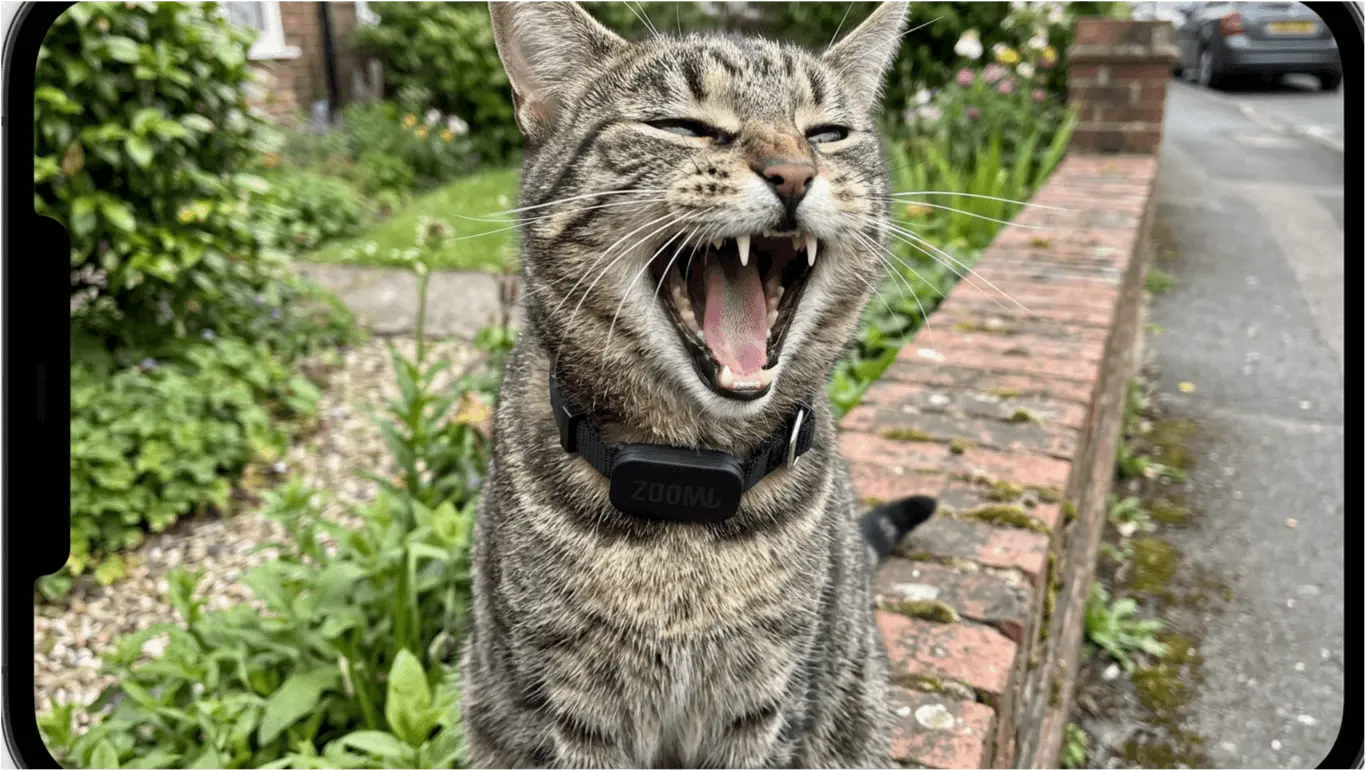
Daytime is also when the safety net gets its final check. Collar snug (two fingers flat underneath, no more — panicked dogs slip loose collars), tag legible, microchip record current, and if your dog wears a GPS tag, charged and on the collar before dark, every night of the season — the layers are explained in our GPS dog tags guide, and why they matter this fortnight in particular is the whole subject of why dogs run away on fireworks night.
Which makes the schedule simple: everything a dog needs from outdoors — exercise, dinner-adjacent sniffing, toileting — should be finished before six. The fortnight is an exercise in daylight logistics.
The Evening Protocol, Room by Room
The living room: curtains closed before the first bang (flashes frighten as much as bangs, and glass amplifies both), lights on, and steady background sound — TV, radio, music with bass — running from dusk rather than snapped on in response. The den: available, stocked, door open; if you built one in October it's already working, and if you didn't, a blanket-covered table or an opened cupboard corner tonight is still better than nothing. The hallway: this is Halloween's special hazard — every trick-or-treat knock is a door opening with a frightened dog loose behind it. The rule that prevents it: dog behind a closed internal door before the front door opens, every single time. On the 31st, consider a bowl on the doorstep and the bell taped over; the dog doesn't need forty rehearsals of the airlock.
The garden: for the whole fortnight, after dark, it's a lead-walk destination, not a free-run space — fenced or not. Almost every "he just vanished from the garden" story of early November starts with thirty seconds of unaccompanied wee. You: calm, present, boring. Comfort freely if sought — the myth that comforting rewards fear has been thoroughly retired — and keep the household briefed so guests don't undo the system at 8pm.
The Hazards That Aren't Noise
Bonfire Night is also a party, and parties have teeth:
| Hazard | The Problem | The Rule |
|---|---|---|
| The bonfire itself | Wildlife shelters in unlit piles; embers stay dangerously hot for hours after | Check the pile before lighting; dogs on leads near fire, and nowhere near embers, ever |
| Sparklers & spent fireworks | Reach 1,000°C+; spent casings contain toxic residues dogs will mouth | No sparklers around dogs; sweep the garden before letting the dog out next day |
| Glow sticks | A classic seasonal ingestion — the liquid is foul and distressing, occasionally worse | Keep them on children, not within reach; call the vet if chewed |
| Party food | Chocolate, cooked bones, skewers, onions in burgers, alcohol at dog height | Feed the dog first, brief the guests, and police the low tables |
| Guests & gates | Every arrival is a door event; garden gatherings mean gates left open | One person owns "dog duty" for the evening — doors, gates, and headcount |
The Fortnight's Cheapest Insurance
Safe-zone alerts the second your dog leaves the garden, live GPS if the worst happens, and a tap-to-scan ID for whoever finds them — ZoomiTag is the checklist item that covers the nights when checklists slip.
See ZoomiTagIf You're Going Out (Someone Usually Is)
The honest first answer: on the 5th and the big display Saturdays, try hard not to leave a noise-worried dog alone — fear is worse solo, and empty houses are where the destructive, dangerous versions of panic happen. If it's unavoidable: a sitter or a familiar calm house beats an empty one; failing that, run the full evening protocol before leaving (curtains, lights, sound, den, water), make the absence short, and check in by camera if you can. What shouldn't happen is the middle path that feels kind and isn't: taking the dog along to the display. No dog enjoys a fireworks display from closer up.
The Morning After (and the One After That)
The fortnight's last quiet hazard is the morning walk. Streets, parks and beaches after display nights are scattered with spent fireworks, bottle caps, skewers, chicken bones and half-eaten everything — a buffet at nose height. Keep the first walk of the day on-lead with eyes down until the area's been rained on or cleaned, check your own garden before releasing the dog into it, and if your dog is a committed scavenger, this is the fortnight the basket muzzle or "leave it" refresher earns its keep. Watch the dog as well as the ground: a rough night shows up as a flat, clingy, off-food morning, and a dog still visibly struggling by midday after a bad night deserves a vet call rather than a shrug — especially seniors. If you track your dog's activity and sleep, the data will tell you plainly how hard the night actually was; our health tracking guide covers reading it.
The big public displays cluster on the Saturday after Bonfire Night, with Diwali celebrations in the same window. Keep the full protocol running through Sunday the 8th; the dogs caught out late in the season are the ones whose houses relaxed early.
Frequently Asked Questions
Main walk done by mid-afternoon; final toilet outing on the lead before dark; nothing after. Fireworks start around 6pm and peak 7–10pm, and a bang overhead mid-walk is one of the most common bolt triggers of the season. A missed evening walk costs nothing.
Avoid it if you possibly can — fear is worse alone, and empty houses are where dangerous escape behaviour happens. If it's unavoidable: sitter or familiar house first; otherwise full evening protocol before you leave, short absence, camera check-ins. And never the false middle option of bringing the dog to the display.
House set up before the first bang — curtains, lights, steady sound, den available — then calm, boring company: let them choose their spot, comfort freely if they seek you, offer a long chew once the first spike passes. The full protocol, including what makes fear worse, is in our fireworks anxiety guide.
Glow sticks (a classic chew casualty), sparklers and hot debris, party food (chocolate, cooked bones, alcohol at dog height), open gates at gatherings, and the bonfire itself — check unlit piles for wildlife, and treat embers as hot for hours. The morning after, streets are littered with spent fireworks and food waste: first walk on-lead, eyes down.
No — it's a fortnight: Halloween on the 31st, the weekends either side of the 5th, and Diwali in the same window. The Saturday after Bonfire Night is usually the loudest night of the year. Run the same rules every evening until mid-November.
Walk and feed early; curtains, lights and sound from dusk; lead for the garden; internal door before the front door; calm company and a chew; charged GPS tag on the collar; on-lead morning sweep — every likely night until mid-November.