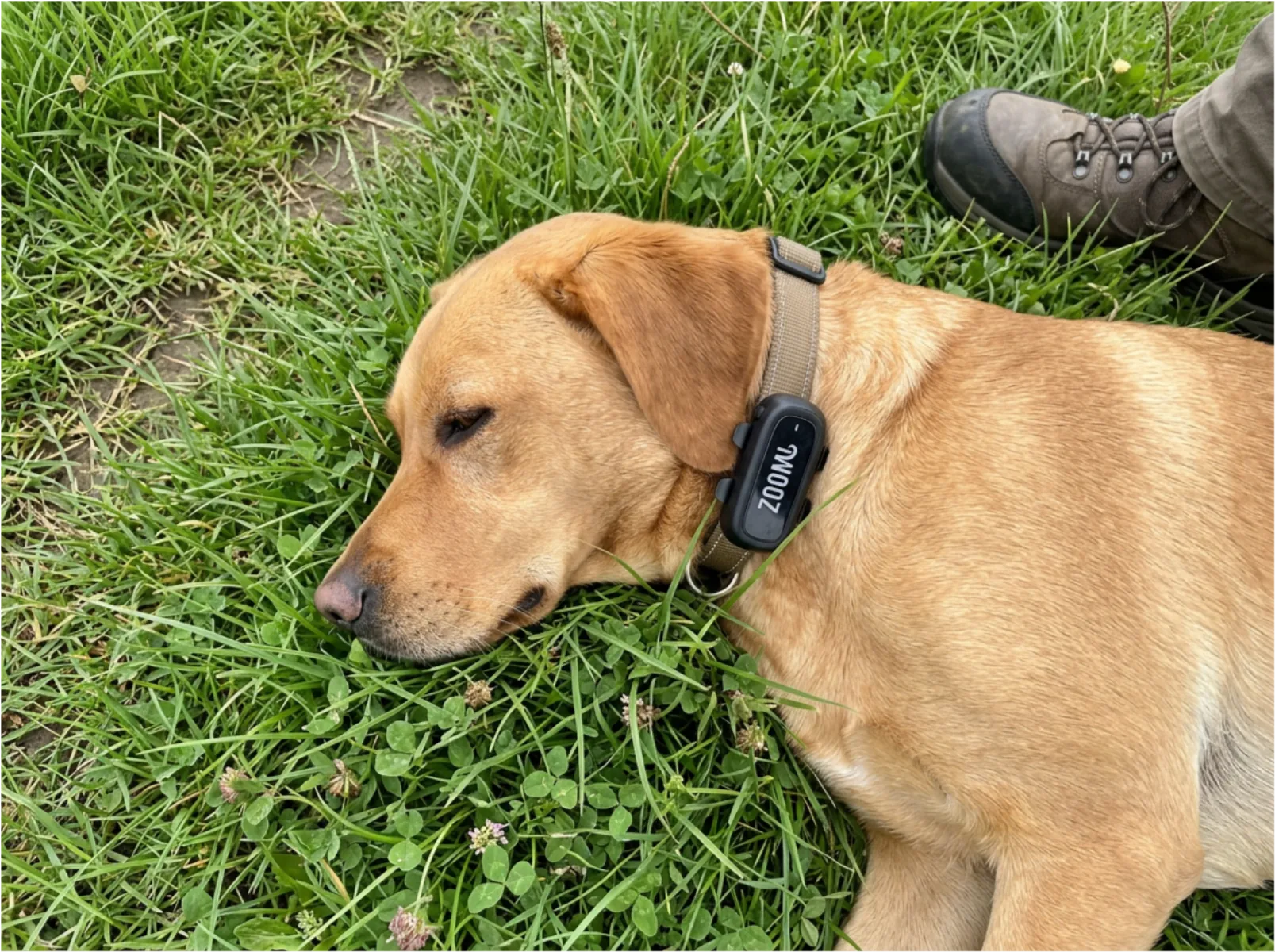
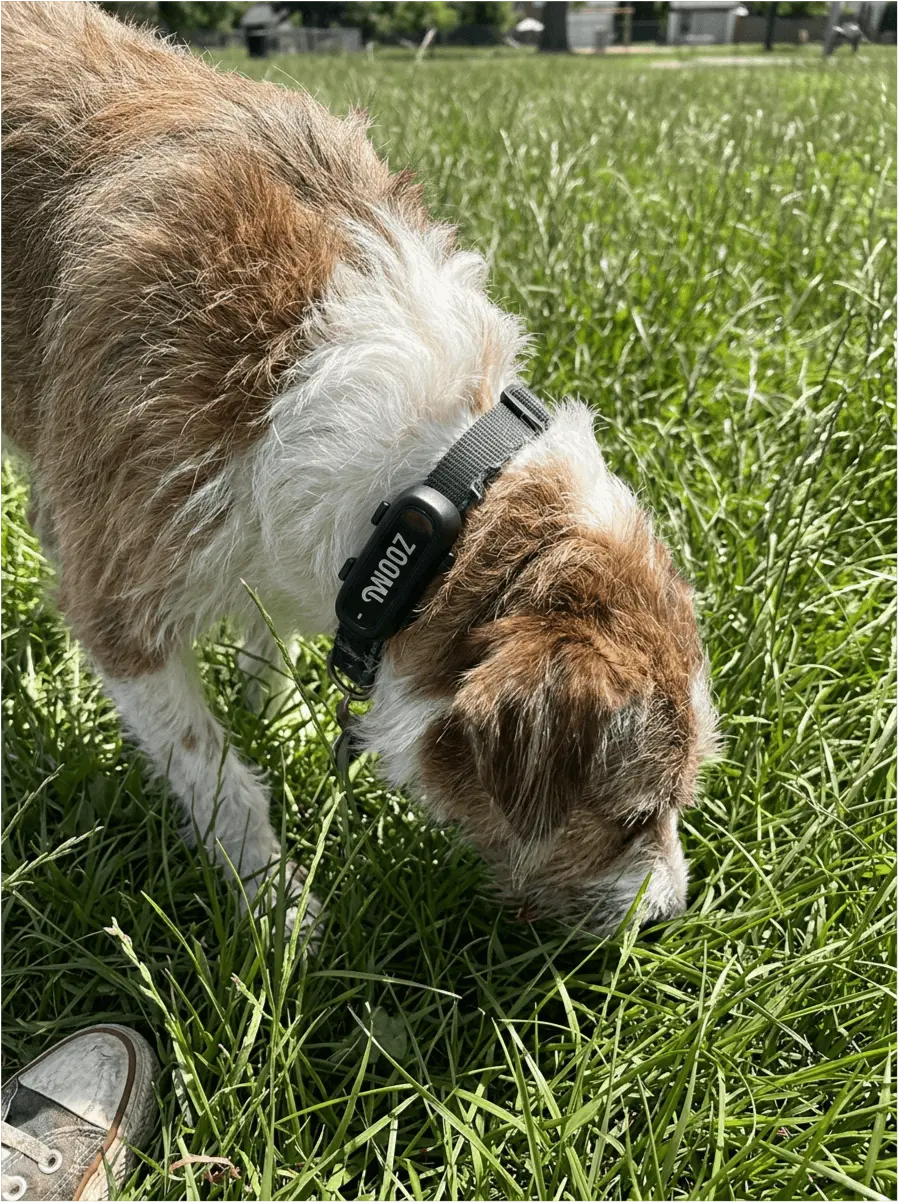
If a human is in pain, they tell you. Dogs cannot. What they do instead is something more subtle — and far easier to miss. They become a little quieter. They shift position more often at night. They eat slightly less. They hesitate before jumping onto the sofa. They stop asking for walks. And their owners, seeing a dog that appears mostly fine, assume everything is.
Pain stoicism in dogs isn't stubbornness — it's evolutionary. Dogs descended from animals where showing vulnerability could be a death sentence. The instinct to mask discomfort is deeply embedded, and it means that the signs of early and moderate pain in dogs are almost entirely behavioural and subtle, not dramatic. By the time a dog is limping visibly or crying at rest, the underlying condition has typically been present — and causing suffering — for a considerable time.
This guide covers 12 indicators that are frequently missed, organised by type. Understanding them won't replace a vet visit, but it will help you identify when one is needed — often weeks earlier than you otherwise would.
Veterinary surveys suggest that around one in five dogs in the UK has some degree of osteoarthritis — yet many are never diagnosed or treated, because the early signs are subtle enough to be attributed to normal ageing. Arthritis is painful, progressive, and highly manageable when caught early. The obstacle is recognition.
Why Dogs Hide Pain — and What That Means for You
Understanding why dogs are stoic about pain helps you look in the right places. In the wild, an animal that showed weakness risked being driven from the pack, targeted by predators, or losing access to food and resources. Even domesticated over thousands of generations, this survival instinct persists. Dogs don't make a cost-benefit calculation about hiding pain — they simply do it, automatically.
This has two important implications for owners. First, a lack of dramatic symptoms is not evidence of a lack of pain. A dog who eats most of their meals, goes for walks (even shortened ones), and interacts with the family may still be in significant discomfort. Second, you are looking for deviations from your specific dog's established baseline, not comparisons to other dogs. The dog who has always been quiet will be hard to distinguish from the dog who has become quiet due to pain — unless you know what your individual animal's normal looks like.
This is why tracking matters. Whether you do it mentally, in a notebook, or with technology that logs activity and sleep patterns automatically, knowing your dog's normal gives you the reference point needed to detect change.
Behavioural Signs
1. Sudden withdrawal or unusual quietness
A dog that normally follows you from room to room and now stays in their bed, that used to greet you at the door and now doesn't bother — this change in engagement is one of the earliest and most consistent indicators that something is wrong. It is easy to misread as the dog "having a quiet day" or simply getting older. In isolation, one quiet day means little. A pattern of increasing withdrawal over two to three weeks means a great deal.
2. Increased irritability or aggression when touched
A dog in pain will often react with a growl, snap, or flinch to being touched in areas that didn't previously cause a reaction. This is particularly notable in dogs that have always been gentle — a normally tolerant dog suddenly objecting to being handled around the hindquarters, neck, or abdomen is flagging a pain location. Never punish this reaction; it's communication. If your dog flinches or reacts unusually to handling they previously accepted, examine why — and get a vet to investigate the area.
3. Licking or chewing at a specific body area
Persistent, repetitive licking of a single joint, paw, or area of the body — particularly if there's no visible wound — often signals localised pain or irritation. Dogs instinctively attempt to "treat" painful areas with licking. Watch for fur staining (reddish-brown discolouration from saliva) as an indicator of how long this behaviour has been occurring. The hip, shoulder, and wrist/ankle joints are common targets in arthritic dogs.
4. Changes in appetite or eating behaviour
A dog that was previously a reliable, enthusiastic eater and has become picky, slow to approach their bowl, or leaving food is raising a flag. Dental pain is a particularly common hidden culprit — dogs rarely stop eating entirely from dental pain, but they may drop food, chew exclusively on one side, show preference for soft food over kibble, or take much longer to eat than usual. Abdominal or gastrointestinal pain can also suppress appetite without other obvious symptoms.
5. Reluctance to perform previously normal activities
Refusing to jump into the car, hesitating before climbing stairs, stopping short on walks the dog previously enjoyed, not wanting to play games that involve jumping or twisting — these refusals are often labelled as laziness or stubbornness but are more commonly early pain responses. The specific activities a dog starts avoiding often point to the pain location: hesitance before stairs suggests lower back or hip issues; reluctance to lower the head to eat suggests neck pain.
Physical Signs
6. Changes in posture
A hunched or arched back, a tucked abdomen (belly visibly drawn upward), or a consistently lowered head posture are physical signs of pain that are easy to miss unless you're looking. Spinal pain often produces a rigid, slightly rounded topline. Abdominal pain creates the classic "praying position" — front legs extended, hindquarters raised — which dogs assume to take pressure off a painful abdomen. Compare photographs of your dog from different periods if unsure whether posture has changed.
7. Altered gait — especially intermittent
Obvious limping is clear. But many owners miss intermittent gait changes: a slight shortening of stride on one side, a subtle "head bob" on a front leg issue, a tendency to swing a hindleg outward rather than tracking straight. These subtle changes are easiest to see when a dog is trotting on a hard surface from directly in front or behind. Film your dog walking on a regular basis — comparing videos weeks apart is far more revealing than trying to assess gait in the moment.
8. Laboured or rapid breathing at rest
A dog that is breathing rapidly — fast, shallow breaths — while lying in a cool room and not having recently exercised is experiencing something worth investigating. Pain is one cause; cardiac conditions, respiratory issues, and anxiety are others. Count resting breaths: a normal resting respiratory rate for a dog is 15–30 breaths per minute. A rate consistently above 30 at rest in a cool environment should be discussed with a vet.
9. Changes in facial expression
Dogs have facial expressions, and pain is one of the most consistently documented. The "canine pain face" involves: ears pulled back and down, eyes slightly squinted or half-closed (rather than fully open and alert), a tense forehead and muzzle, and whisker pads that appear slightly raised. Researchers have developed validated pain scales for dogs (the Canine Grimace Scale) based on these facial cues. If your dog's face looks tense, stiff, or less alert than usual at rest, it's worth paying attention.
Activity and Sleep Changes
10. Reduced daily activity levels
This is one of the earliest and most reliable indicators of pain — and one of the hardest to notice without objective data. A dog in chronic pain gradually moves less: shorter self-initiated play sessions, fewer spontaneous runs around the garden, shorter walks chosen rather than longer ones. Because the reduction is gradual, it's easy for owners to adapt without noticing the cumulative change. Dogs that were once described as "always on the go" and are now described as "getting more laid back as they age" may, in some cases, be experiencing progressive musculoskeletal pain.
Dental disease is painful — it causes chronic low-level discomfort that affects mood, appetite, and behaviour. Yet because dogs rarely stop eating entirely from dental pain, and because bad breath is normalised, the majority of affected dogs go untreated. Annual dental checks by a vet, combined with regular home inspection, are the standard of care.
11. Disrupted or restless sleep
Healthy dogs sleep deeply and mostly still. A dog in pain — particularly joint pain — will frequently reposition through the night, get up and lie down repeatedly, seem unable to find a comfortable position, and may wake more often. Arthritis is characteristically worse after immobility, so a dog stiff and sore after lying still for several hours will be restless as they try to get comfortable again. If you share a room with your dog, you may notice this directly. If not, check for disturbed bedding in the morning, or consider whether your dog seems more tired in the morning than after a full night's sleep should leave them.
12. Changes in toilet behaviour
Sudden indoor accidents in a previously reliable dog, urgency to get outside, straining while defecating, or a marked change in toilet frequency all carry medical significance. Spinal and hip pain can make the posture required for defecation uncomfortable, causing dogs to rush or strain. Urinary urgency can indicate a UTI (itself painful) or, in older dogs, early kidney disease. A dog that suddenly starts having accidents indoors deserves investigation, not a behavioural correction.
Pain by Body Area: A Quick Reference
| Body Area | Condition Examples | Specific Signs to Watch |
|---|---|---|
| Joints (hips, elbows, knees) | Osteoarthritis, hip dysplasia | Stiffness on rising, reluctance to use stairs, short-striding, licking joints |
| Spine / back | IVDD, spondylosis, muscle strain | Arched or rigid back, reluctance to be picked up, yelping suddenly |
| Abdomen | Gastric, pancreatitis, organ pain | Tucked belly, praying posture, sensitivity to abdominal touch, reduced appetite |
| Mouth / teeth | Periodontal disease, tooth fracture | Dropping food, one-sided chewing, pawing at mouth, changed breath smell |
| Ears | Otitis externa/media, polyp | Head shaking, tilting, rubbing on surfaces, flinching when ears touched |
| Eyes | Glaucoma, corneal ulcer, uveitis | Squinting, excessive tearing, pawing at eye, red or cloudy eye |
| Paws / nails | Overgrown nails, injury, interdigital cysts | Licking paws, reluctance to walk on certain surfaces, lifted paw at rest |
How to Build and Use a Health Baseline
The challenge of detecting early pain is that it requires knowing what "normal" looks like for your specific dog. This is harder than it sounds — most owners have an intuitive sense of their dog's personality and habits, but that intuition is vulnerable to gradual adaptation. You accommodate a slightly slower dog without noticing; you stop expecting the long walks that quietly became impossible.
Building an objective baseline means tracking quantifiable things over time:
Daily step count or active time. A fit adult medium dog might cover 3–5 km per day between walks and free time in the garden. A decline of 20–30% over several weeks — particularly if unexplained by weather or reduced walks — is a meaningful data point. Activity trackers designed for dogs (including those built into ZoomiTag) log this automatically.
Sleep quality and duration. Healthy dogs sleep deeply and largely still. Increased restlessness, more frequent waking, or a large increase in total sleep time (especially if daytime sleep increases while night sleep becomes more disturbed) can reflect pain-driven sleep disruption.
Body weight. Regular weight checks — monthly is reasonable for most dogs — help detect the weight loss that often accompanies chronic pain (reduced appetite, muscle wasting from inactivity) before it becomes visually apparent.
Photographs and video. A 30-second video of your dog walking, taken monthly, provides a reference for gait changes that are easy to miss in the moment but obvious in retrospect.
Track Your Dog's Health Before Problems Become Obvious
ZoomiTag monitors daily activity and sleep patterns automatically, building a baseline picture of your dog's health so changes show up as data — not just a feeling that something might be wrong.
About Health MonitoringWhen to See a Vet: The Thresholds
With subtle signs, the temptation is always to wait and see. In most cases, this costs time that a dog spends in pain and that a condition has to progress. Here are the thresholds that should prompt a veterinary appointment without delay:
- Any sudden change in behaviour without an obvious cause — especially if it persists beyond 24–48 hours
- Loss of appetite lasting more than 24 hours in a dog that normally eats reliably
- Visible limping — even intermittent; even if the dog seems fine otherwise
- Spontaneous vocalisation (yelping or crying) not linked to a known incident
- Rapid breathing at rest in a cool environment — more than 30 breaths per minute
- Swelling, heat, or visible asymmetry over any joint or body area
- Indoor accidents in a house-trained dog — do not assume it's behavioural without ruling out a medical cause
- A gut feeling — experienced dog owners often sense that something is wrong before they can articulate exactly what. If you feel something has changed, that is sufficient reason for a vet visit
On the last point: vets would rather see a dog that turns out to be completely fine than hear that an owner waited three months because they weren't sure. A brief wellness check is always preferable to a delayed diagnosis.
Frequently Asked Questions
Normal tiredness resolves after rest and is typically linked to a known cause — a long walk, hot weather, an unusual day. Pain presents differently: it tends to persist, often comes with behavioural changes (irritability, withdrawal, reluctance to be touched), and may be worse at certain times (morning stiffness from arthritis). If your dog's lethargy is unexplained, lasts more than 24 hours, or comes with other changes in behaviour or appetite, it warrants veterinary assessment.
Dogs may whimper or yelp with sudden, acute pain. But chronic pain — arthritis, dental disease, internal conditions — often produces no vocalisation at all. Dogs are highly adapted to stoicism. Absence of crying is not evidence of absence of pain. The quiet, withdrawn dog who moves stiffly and eats a little less may be in more continuous discomfort than one who yelped once after stepping on something.
Yes. Dogs have the same neurological pain pathways as humans, including the capacity to experience persistent, long-term pain. Conditions like arthritis, dental disease, and spinal disc disease cause continuous suffering that significantly affects quality of life — even when the dog appears to be coping. Veterinary pain management is available and effective for most chronic pain conditions in dogs.
Dental pain signs include: dropping food or chewing only on one side, preference for soft over hard food, pawing at the mouth or face, facial swelling, reluctance to have the head touched, increased drooling, and changed breath smell. Because dogs rarely stop eating entirely from dental pain, it's easily missed. Dental disease affects an estimated 80% of dogs over three years old — annual dental checks by a vet are the standard of care.
Nighttime restlessness is a significant indicator of pain, especially musculoskeletal pain. Arthritis is often worse after immobility — a dog lying still for several hours may struggle to get comfortable again. Frequent position changes, repeated getting up and lying down, and difficulty settling are characteristic of joint pain. This pattern should be discussed with your vet.
None of the standard human pain medications — paracetamol, ibuprofen, aspirin — are safe for dogs. Ibuprofen and aspirin can cause severe GI bleeding and kidney damage; paracetamol can be fatal. There is no safe human painkiller you can administer at home without veterinary guidance. Contact your vet if your dog is in pain. Veterinary-prescription NSAIDs formulated for dogs are effective and safe when prescribed appropriately.