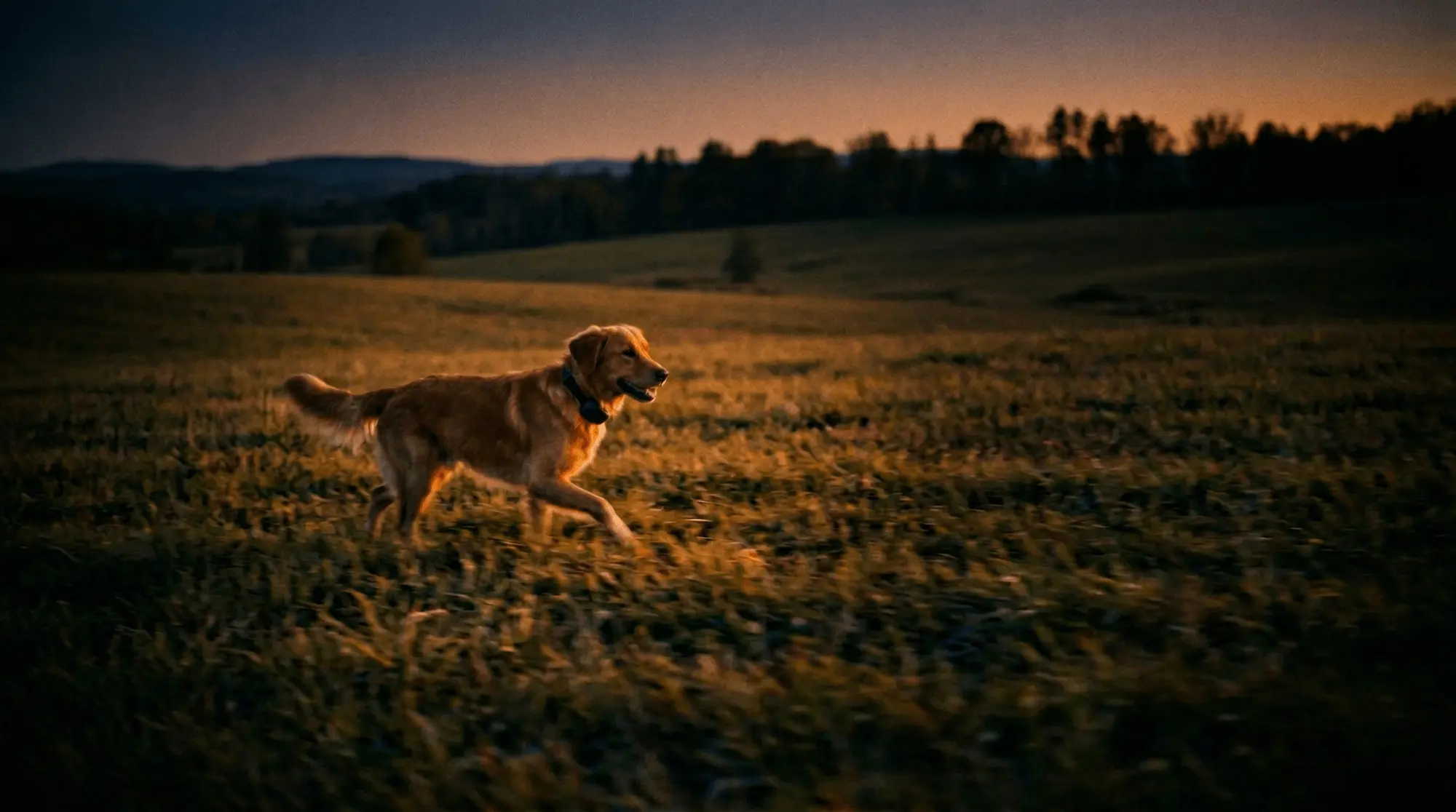
Your dog sleeps 12 to 14 hours every day. You've probably watched them twitch through dreams, heard them whimper softly at invisible squirrels, seen them rotate three times before finally settling on the sofa. Sleep is central to your dog's health — every bit as important as diet and exercise.
But most owners don't know what healthy dog sleep actually looks like. And that matters, because disrupted, excessive, or insufficient sleep is frequently the earliest visible indicator of pain, illness, or cognitive decline — often appearing weeks or months before other symptoms.
This guide covers what's normal across different ages and breeds, the specific warning signs that should prompt a vet visit, the most common causes of sleep disruption, and how to start tracking patterns before a problem becomes a crisis.
How Much Should Dogs Sleep?
The short answer: considerably more than you'd expect. Dogs are polyphasic sleepers — they sleep in multiple bursts throughout the day and night rather than one long consolidated sleep like adult humans. Here's what's normal by life stage:
| Life Stage | Age | Average Daily Sleep | Notes |
|---|---|---|---|
| Puppy | 0–12 months | 16–20 hours | Growth and brain development demand maximum sleep |
| Adult (small/medium) | 1–7 years | 12–14 hours | Highly variable by activity level and breed |
| Adult (large/giant) | 1–7 years | 14–18 hours | Larger breeds rest more; giant breeds can sleep 18+ hours |
| Working/sporting breeds | Any | 10–14 hours | High-drive breeds sleep less and may be unsettled with insufficient exercise |
| Senior | 7+ years | 16–18 hours | Increased rest is normal; sudden changes are not |
That's nearly double what a healthy adult human sleeps. Dogs spend roughly 50% of the day asleep, 30% awake and resting, and only 20% active. This is entirely normal — and disruption to these proportions is often the first sign something has changed.
The key principle isn't the total hours — it's consistency. A dog that normally sleeps 13 hours and drops to 9, or one that sleeps 13 hours and suddenly needs 17, is showing a change worth paying attention to.
What Normal Dog Sleep Looks Like
Understanding what's normal makes it far easier to spot what isn't. Healthy dog sleep has several recognisable characteristics.
Sleep cycles and REM
Dogs cycle through non-REM (deep, restorative) and REM (dreaming) sleep. The entire cycle is shorter than in humans — roughly 20 minutes versus 90 minutes — which is why dogs wake more easily and fall back asleep quickly. Dogs spend approximately 10% of their sleep time in REM (compared to 25% for humans), which means less total dreaming time but more frequent cycles through the night.
Normal sleep behaviours
- Twitching and paddling — common during REM; the dog is dreaming, not distressed
- Soft vocalisations — quiet whimpers, brief barks, or low growls during dream sequences are normal
- Position changes — dogs naturally reposition during lighter sleep phases
- Quick arousal — healthy dogs respond easily to sounds or gentle stimulation
- Circular settling behaviour — the pre-sleep rotation is instinctive, not compulsive
Healthy sleep positions
Sleeping curled in a ball conserves heat and is common in cooler environments or in naturally cautious dogs. Sleeping sprawled on the side or belly-up indicates a relaxed, secure dog in a comfortable temperature. The position itself tells you more about comfort and environment than health — but a dog that used to sleep freely on its side and now sleeps only curled tightly may be guarding a painful area.
Warning Signs in Sleep Patterns
These are the specific changes that warrant closer attention — and potentially a veterinary conversation.
Sudden increase in sleep duration
A healthy dog that begins sleeping significantly more than usual — particularly if accompanied by lethargy, reduced appetite, or reluctance to exercise — should be assessed. Common causes include hypothyroidism, anaemia, heart disease, infection, and liver or kidney issues. In senior dogs, a sudden sleep increase combined with daytime confusion may indicate Canine Cognitive Dysfunction Syndrome (CDS).
Restlessness — inability to settle or stay asleep
A dog that repeatedly changes position, circles, or wakes frequently during the night is almost always experiencing either pain or anxiety. Arthritis is the most common cause in adult and senior dogs — the discomfort of lying still in one position eventually forces them to move. Anxiety (separation anxiety, noise sensitivity, environmental stress) creates a similar pattern but is more likely to correlate with specific triggers or times of year.
CDS — the canine equivalent of dementia — disrupts the normal sleep-wake cycle, causing nocturnal restlessness and daytime drowsiness. It's significantly underdiagnosed because owners often attribute the signs to normal ageing. Early intervention with diet, enrichment, and medication can slow progression.
Nighttime pacing or confusion
A dog — particularly an older one — that wakes and paces, seems disoriented, or vocalises at unusual hours is displaying one of the most common early presentations of CDS. The circadian rhythm disruption characteristic of cognitive decline reverses normal patterns: the dog becomes restless at night and increasingly drowsy during the day. If you notice this in a dog over seven years old, raise it with your vet at the earliest opportunity.
Laboured breathing during sleep
Occasional snoring is normal, especially in brachycephalic breeds (Bulldogs, Pugs, French Bulldogs, Boxers). But gasping, prolonged pauses in breathing, choking sounds, or frequent awakening with laboured breathing can indicate sleep apnoea, obesity-related respiratory compromise, or — in any breed — cardiac issues. This category of sleep disruption always warrants veterinary assessment.
Seizure-like movements
REM twitching is gentle and rhythmic. Seizure activity during sleep looks different: rigid limbs, sustained paddling, jaw chomping, excessive salivation, and difficulty rousing afterwards. If you suspect a seizure has occurred during sleep, video the episode if possible and contact your vet. Epilepsy can present initially with nocturnal seizures that owners may mistake for vivid dreaming.
Common Causes of Sleep Disruption
Understanding the cause helps you respond appropriately — rather than waiting for a problem to escalate.
-
Arthritis and joint pain
The most common cause of sleep disruption in dogs over five years old. Lying still in one position becomes painful as joints stiffen; dogs wake and reposition frequently through the night. Morning stiffness, reluctance to climb stairs, and slower rising are the companion daytime signs. Arthritis is highly manageable — but under-treated in dogs because owners normalise it as "getting old".
-
Anxiety and stress
Separation anxiety, noise phobia (thunderstorms, fireworks), new environments, household changes, and social stress can all prevent dogs from settling into deep sleep. Anxiety-related disruption is often seasonal (worse around fireworks season) or correlates with household events (moving house, new baby, loss of a companion animal).
-
Urinary urgency
A dog that wakes and needs to go outside frequently at night — especially a middle-aged or older dog that previously slept through — may have a urinary tract infection, early kidney disease, diabetes, or Cushing's disease (hyperadrenocorticism). Increased nighttime urination is a diagnostic flag, not just an inconvenience.
-
Insufficient exercise
A working or sporting breed that hasn't been adequately exercised — particularly adolescent and young adult dogs — often can't achieve deep sleep simply because they have too much physical energy. The fix is environmental rather than medical: structured exercise earlier in the day creates the physical tiredness necessary for settled sleep.
-
Dietary timing and composition
Feeding a large meal immediately before bed can cause digestive discomfort that disrupts sleep. In large and giant breeds, this is also a risk factor for bloat (GDV). Feeding the last meal at least two hours before the expected sleep time is a simple adjustment that can significantly improve night-time settling.
-
Hormonal and metabolic conditions
Hypothyroidism (underactive thyroid) causes excessive sleep and lethargy. Hyperthyroidism causes restlessness and reduced sleep. Diabetes creates nighttime waking for water and urination. Cushing's disease disrupts normal sleep cycles. These conditions share overlapping sleep symptoms but are distinguishable through blood and urine tests.
-
Cognitive Dysfunction Syndrome
CDS is progressive and currently incurable, but its progression can be slowed with early intervention. In addition to sleep cycle disruption, signs include disorientation, reduced interaction, house soiling, and apparent forgetting of learned commands. Diagnosis is clinical (ruling out other causes), and treatment includes dietary support, environmental enrichment, and in some cases medication.
How to Track Your Dog's Sleep
Identifying a sleep problem often requires data over time — a single night of poor sleep proves little. Here's how to build that picture.
Keep a sleep diary
For two weeks, note when your dog goes to sleep, when they wake, any notable behaviours (repositioning, vocalising, pacing), and any potential triggers (weather, visitors, activity changes). Two weeks of data makes patterns visible that a single observation cannot. Bring this record to your vet — it's far more useful than "she seems a bit restless."
Use a smart health monitor
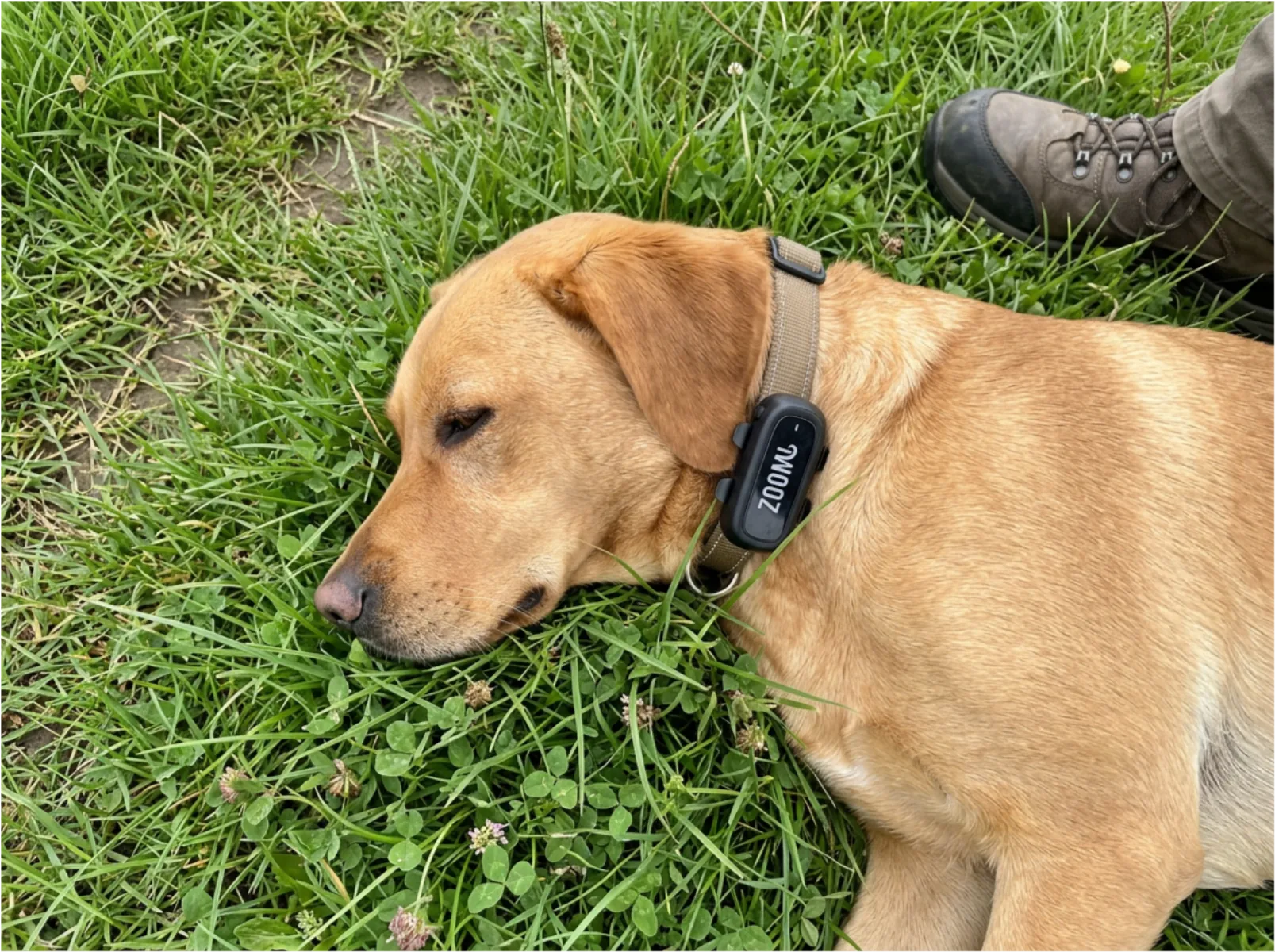
Manual observation has limitations — you can't monitor your dog while you're asleep. Smart health monitors like ZoomiTag track sleep duration, rest quality, and activity patterns automatically throughout the day and night. Over weeks and months, this builds a baseline for your individual dog — so when something shifts, you see it in the data before the change becomes obvious to the eye. Our guide to pet health tracking covers how to read those activity and sleep trends, and the deviation patterns that should prompt a vet visit.
Track your dog's sleep automatically with ZoomiTag
ZoomiTag monitors sleep patterns, daily activity, and rest quality — building a health baseline that helps you spot changes early, before they become serious.
Video monitoring
A basic pet camera positioned to capture your dog's sleeping area provides invaluable data — especially for nocturnal problems you're not awake to witness. If your dog is waking at a specific time each night, the camera often reveals whether they're disturbed by a sound, experiencing discomfort, or simply going to check on you.
Note correlations
Once you have a record, look for patterns: Does disruption follow high-exercise days? Appear after certain foods? Worsen in cold weather (a sign of arthritis flare)? Correlate with specific times of year (anxiety)? These connections guide the most useful conversations with your vet.
When to See a Vet
Not every bad night requires a vet call. The following scenarios do:
- A sustained change lasting more than two weeks — whether more sleep, less sleep, or disrupted sleep — without an obvious environmental cause
- Sleep disruption plus other symptoms — weight change, appetite change, increased thirst, confusion, personality shifts, or any physical signs
- Nighttime pacing or disorientation in a dog over seven years old — this is a CDS red flag that warrants early assessment
- Laboured, irregular, or noisy breathing during sleep — particularly in non-brachycephalic breeds
- Any episode that resembles a seizure — rigid limbs, sustained convulsive movement, excessive salivation, prolonged post-episode confusion
- Sudden, dramatic changes — a dog that goes from normal to sleeping 20 hours within a week has an acute problem requiring prompt assessment
"If in doubt, document and report. A two-week sleep diary with timestamps costs nothing and gives your vet far better diagnostic information than a description of 'she seems off'. The earlier you catch a change, the more treatment options are available."