Week two. The heatwave that pushed parts of England to 35–36°C last week hasn't finished with us — the forecast has the heat holding into Thursday or Friday before thunderstorms finally break it. That means several more days of dogs lying spread-eagled on the coolest patch of floor they can find, skipped walks, and owners wondering whether any of the cooling gadgets flooding their Amazon recommendations actually do anything.
Some do. Some are landfill with a paw-print logo. Having covered the full heatwave safety guide — walk timing, heatstroke signs, the cooling advice that's changed — this is the practical follow-up: the five product categories that genuinely earn their place, what each one costs, what separates a good listing from a gimmick, and the couple of things you can skip entirely.
One honest note before the list: no product replaces the basics. Shade, water, and not walking in the heat of the day do more than everything below combined. But the basics plus a few well-chosen buys make a hot week dramatically more comfortable — especially for the dogs that struggle most.
The Five at a Glance
| # | Buy | Typical Price | Best For |
|---|---|---|---|
| 1 | Pressure-activated cooling mat | £10–40 by size | Indoor rest, crates, car boots |
| 2 | Elevated mesh dog bed | £20–40 | Shaded garden and indoor lounging |
| 3 | Foldable dog paddling pool | £15–30 | Active cooling and water-loving dogs |
| 4 | Evaporative cooling vest or bandana | £10–60 | Unavoidable time out in the heat |
| 5 | Portable dog water bottle | £10–15 | Every walk, all summer |
1. A Pressure-Activated Cooling Mat
The single best-value heatwave buy. These mats contain a gel that absorbs body heat on contact — no fridge, water, or electricity needed — and typically keep the surface 5–10°C cooler than the surrounding air for a few hours of continuous lying, after which the gel needs a short break to shed the absorbed heat and "recharge".
What to look for in the listing: a size up from what you think you need (your dog should fit fully stretched out — a mat they overhang barely helps), a puncture-resistant outer with taped seams, and a wipe-clean surface. Small mats start around £10; an XL for a Labrador-sized dog runs £30–40.
How to use it well: put it on a hard floor in a shaded room, where the floor itself helps carry heat away — not on top of a warm dog bed, which insulates from below. Many dogs take to mats instantly; for suspicious ones, place it where they already choose to lie rather than where you'd like them to.
The caveat: chewers. The gel inside is a hazard if eaten, so supervise first use, and a punctured mat is a retired mat — no exceptions.
2. An Elevated Mesh Dog Bed
Also sold as "raised" or "trampoline" beds: a breathable mesh sheet stretched over a metal frame that lifts your dog 15–20cm off the ground. The physics is simple and effective — air flows underneath the dog, so heat leaves through their belly instead of soaking into bedding, and they're off ground that's been baking all day.
In a shaded corner of the garden, an elevated bed is often the difference between a dog that can enjoy being outside in the evening and one that has to stay on the kitchen tiles. Indoors, it beats any padded bed in a heatwave for the same airflow reason.
What to look for: a stated weight rating comfortably above your dog's weight, a replaceable mesh sheet (the part that wears), rubber feet that won't slide on tiles, and teflon-style fabric rather than padded "comfort" versions — padding defeats the purpose. Expect £20–40 for most sizes.
That difference matters more than it sounds: a dog's main heat-loss surfaces are the belly, chest, and paws, exactly what's in contact with a mat or breathing airflow under an elevated bed. Cooling the resting surface targets the same areas vets target when actively cooling an overheated dog — just gently, and all day.
3. A Foldable Dog Paddling Pool
The most fun per pound on this list. Dogs shed heat through their paws and undersides, so standing or lying in 10–15cm of water cools them fast — no swimming required. For water-loving breeds it doubles as entertainment during a week when normal exercise is off the menu.
Why "foldable" and not "inflatable": claws. Inflatable kids' pools rarely survive a first session. Purpose-made dog pools are rigid-walled PVC that folds flat for storage, with a slip-resistant base and a drain plug — and they cost about the same, typically £15–30 depending on diameter.
How to use it well: set it up in the shade (water in full sun becomes warm soup by 2pm), fill it shallow, refresh the water regularly, and supervise — some dogs drink enormous volumes while playing, which brings its own problems. Empty it after use; standing water in a heatwave breeds mosquitoes and algae quickly.
4. An Evaporative Cooling Vest or Bandana
The most misunderstood item on the list — genuinely useful, but for a specific job. You soak the vest in cold water, wring it out, and put it on. As the water evaporates, it pulls heat from the chest and belly, where major blood vessels run close to the skin — effectively giving your dog the sweating ability nature didn't.
The right job for it: dogs that have to be out in warm conditions anyway — the unavoidable daytime toilet walk, assistance and working dogs, and flat-faced breeds (Frenchies, Pugs, Bulldogs) who struggle even in the shade. It is not a licence to walk any dog at midday in 34°C; it buys comfort and a safety margin, not immunity.
What to look for: multi-layer evaporative fabric (not just a wet t-shirt), a light colour that reflects sun, and an adjustable fit that covers the chest without restricting the shoulders. Simple cooling bandanas start around £10 and are better than nothing; well-made vests from outdoor brands run £40–60. One physics note: evaporative cooling works brilliantly in dry heat and noticeably less well on humid days, when evaporation slows.
5. A Portable Dog Water Bottle
The least glamorous buy and the one that gets used long after the heatwave: a combined bottle-and-bowl where squeezing or flipping releases water into an attached trough, and unused water drains back into the bottle. In hot weather, a dog should never be more than a few minutes from a drink — panting is evaporative cooling, and it spends water fast.
What to look for: 500ml+ capacity for anything bigger than a terrier, a leak-proof lock for the bag, one-handed operation (the other hand has the lead), and a trough your dog's muzzle actually fits — flat-faced breeds need the wide-bowl style. £10–15 buys a good one.
The habit that matters: offer water every 15–20 minutes on warm-weather walks, before your dog looks thirsty. A dog that drinks little and often stays ahead of dehydration; a parched dog gulping half a litre at once often brings it straight back up.
What to Skip — and What No Product Fixes
Skip: ice vests and freezer-gel jackets for general use. They're heavy, they stop working the moment the ice melts (quickly), and the evaporative type above works longer for less money. Skip: cooling sprays — a hose or wet towel does the same thing for free. Be sceptical of: "cooling" padded beds — if it's padded, it insulates; the elevated mesh bed wins every time.
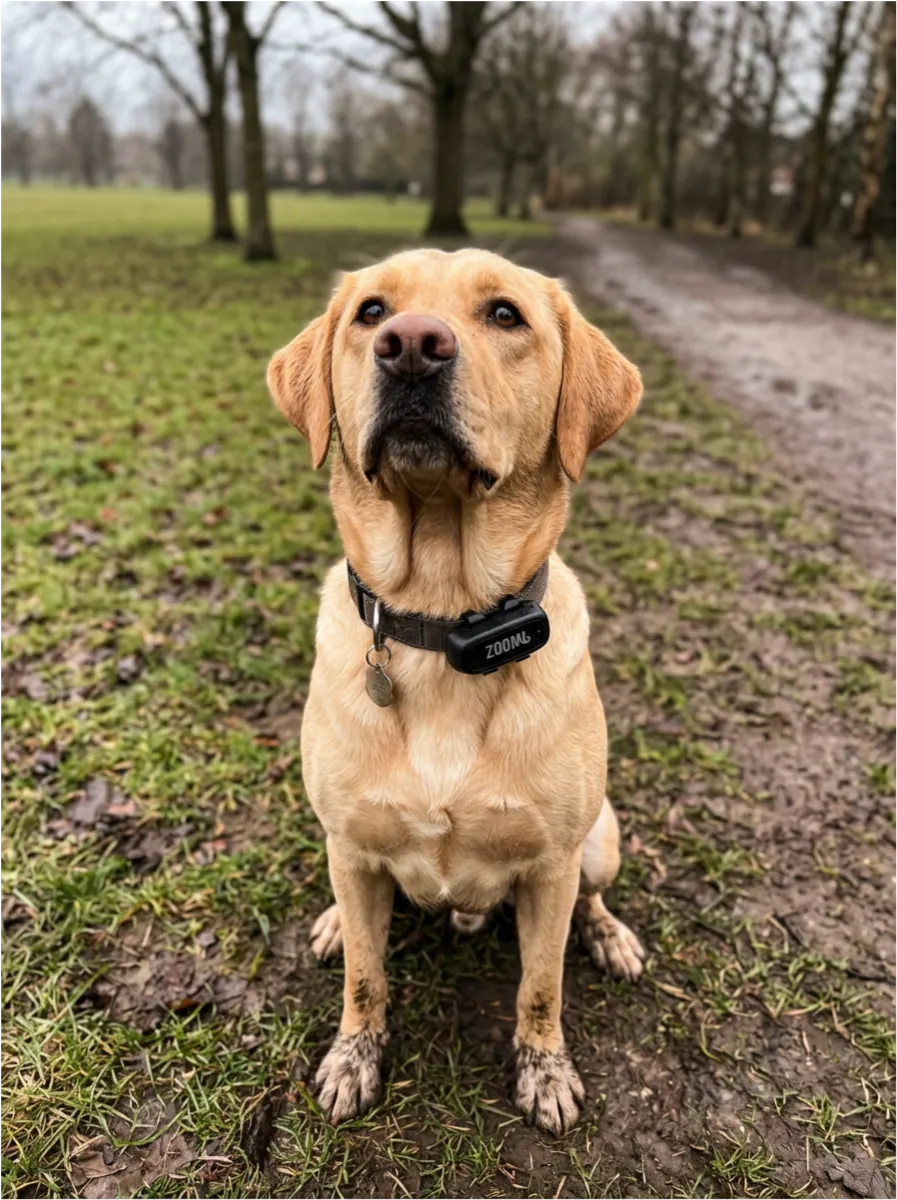
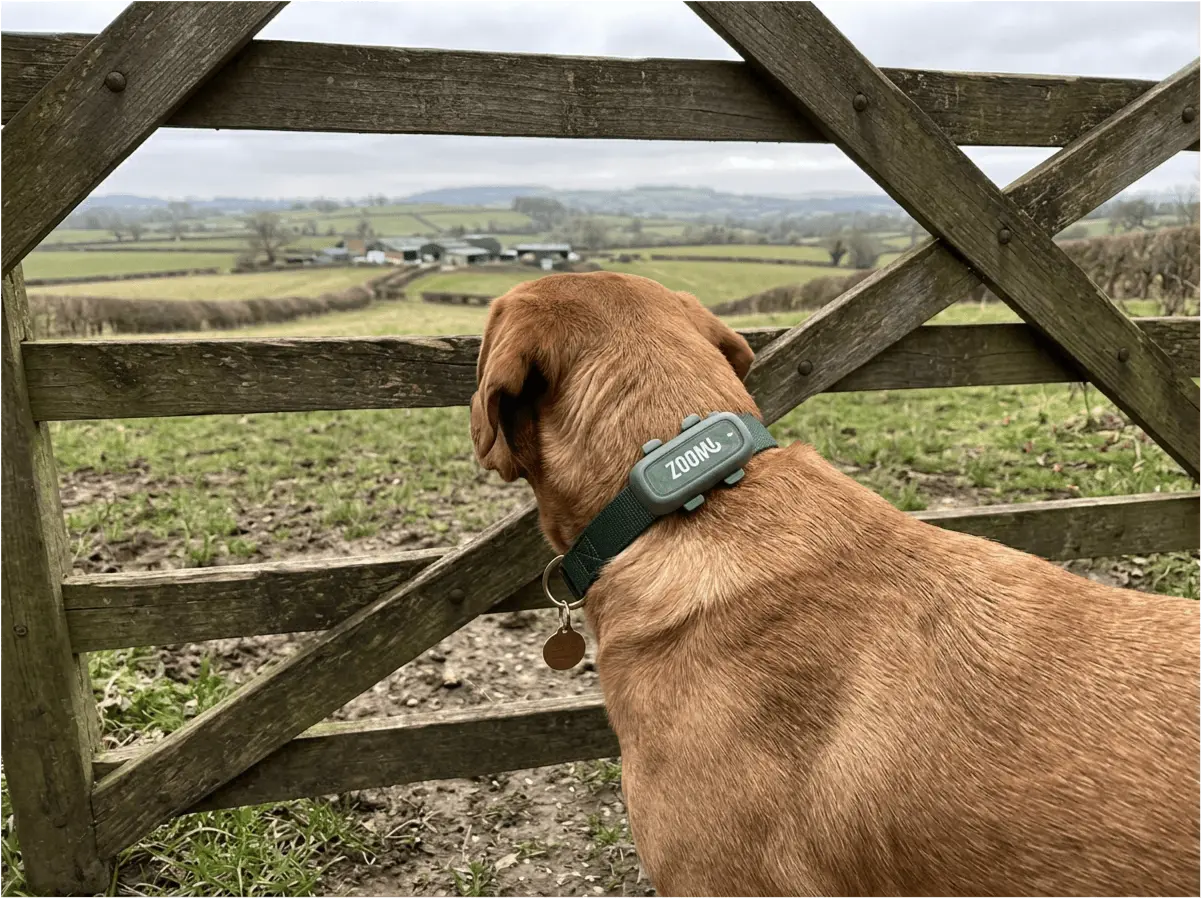
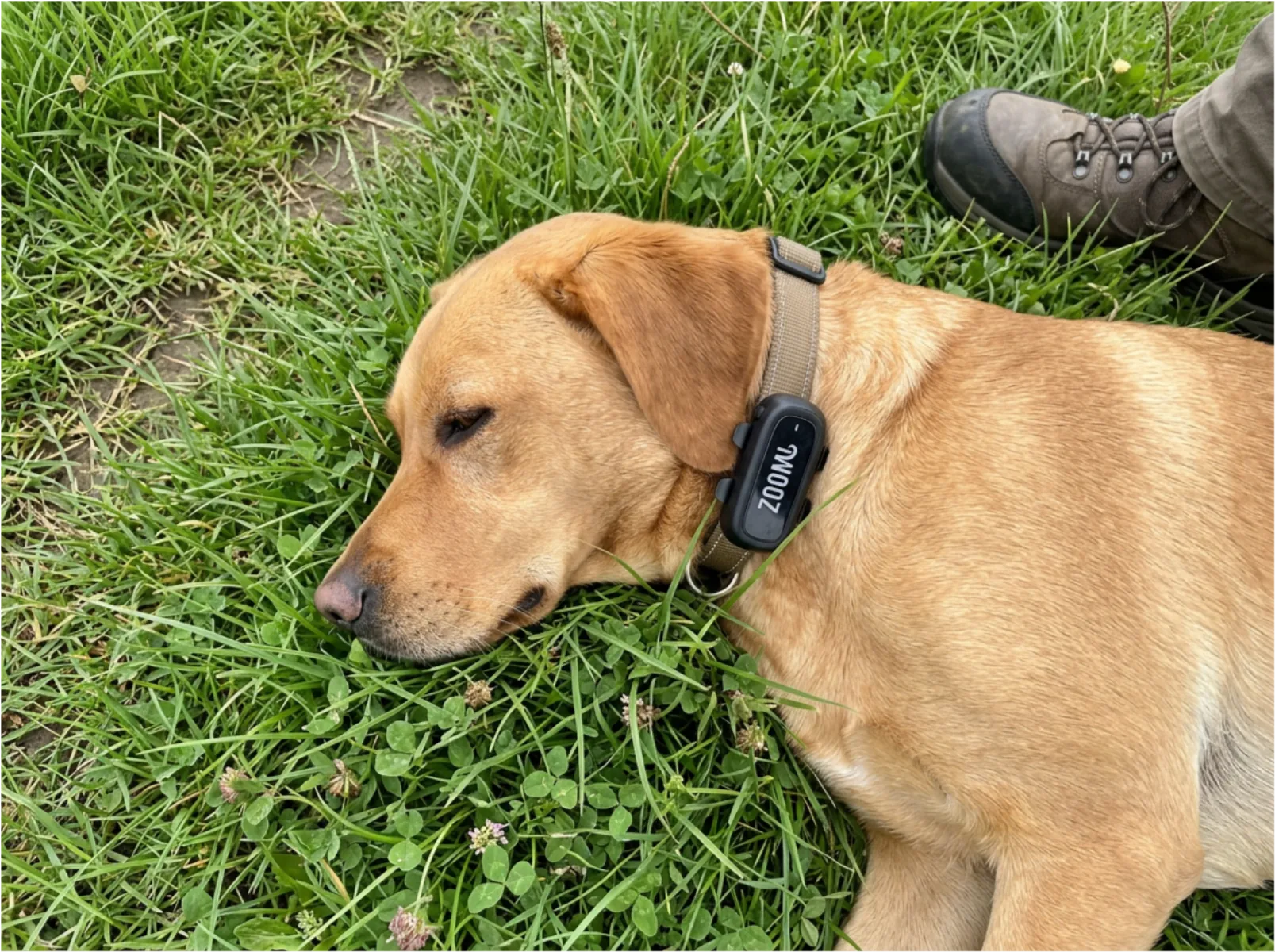
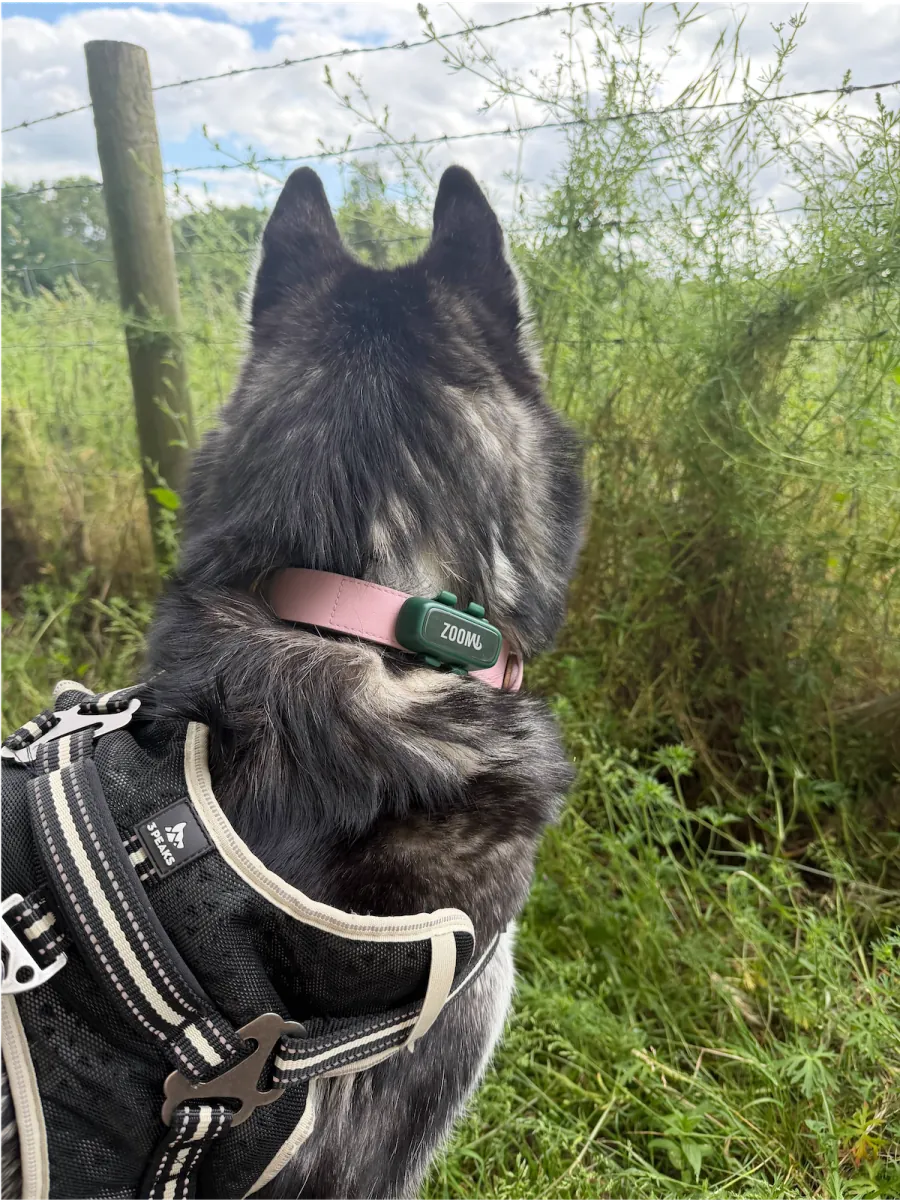
And two things no purchase changes. First, the walk-timing rule stands: whatever kit your dog wears, above 28°C most dogs shouldn't be walked at all, and this week's heat means early morning or nothing. Second, watch the open doors. Houses thrown open for airflow and propped garden gates are how dogs go missing in heatwaves — and a lost dog in 34°C is in trouble much faster than usual. Thirty seconds checking your dog's tag and profile are current is the cheapest safety buy of the week (ZoomiTag owners: one scan shows your contact details and your dog's medical notes to whoever finds them).
How to Tell If Any of It Is Working
Here's the part most product roundups skip: how do you know the mat, the bed, the pool made a difference? The answer is in your dog's behaviour, not the product reviews. A dog whose cooling setup is working settles for longer stretches instead of pacing between rooms, pants less at rest, eats normally, and — the clearest signal of all — sleeps through the night instead of repositioning restlessly on the floorboards at 3am.
Those changes are easy to miss by feel across a disrupted week, and obvious in data. Owners who track their dog's activity and sleep automatically (ZoomiTag Health logs both) can literally watch a hot week's restless nights return toward baseline after the cooling mat arrives — or see that they haven't, and know the dog needs more help before the next hot spell. Either way, you're adjusting from evidence rather than hope.
See the Hot Week in Your Dog's Data
ZoomiTag tracks your dog's activity and sleep automatically — so you can see exactly what the heat is costing them, and whether your cooling setup is actually bringing them back to normal.
About Health MonitoringFrequently Asked Questions
Yes — the pressure-activated gel type keeps the surface 5–10°C cooler than the surrounding air for a few hours of continuous lying before the gel needs a break to recharge. Use them on a hard floor in a shaded room, not on top of a warm bed. Supervise chewers: the gel is a hazard if eaten, and a punctured mat should be retired immediately.
For the right dog, yes. Soak, wring out, wear — evaporation cools the chest and belly where major blood vessels sit. Best for dogs that must be out in the heat (working dogs, unavoidable daytime walks, flat-faced breeds), not as a licence for midday exercise. They work best in dry heat and less well on humid days. Bandana versions start around £10; quality vests run £40–60.
Shallow — 10–15cm is plenty. Dogs cool through their paws and belly, so standing or lying in a few inches of water does the job without swimming. Keep the pool in the shade, refresh the water often, supervise heavy drinkers, and choose a rigid foldable pool over an inflatable one, which claws puncture quickly.
Timing and shade beat every product: walk before 8am or not at all, close curtains by day, cross-breeze after sunset, and give access to hard floors. A damp towel laid flat to lie on, frozen Kongs, and ice cubes in the water bowl cost pennies. Products help at the margins — behaviour changes do the heavy lifting.
A fan alone does little for a dry-furred dog, because dogs barely sweat. Fans become genuinely useful combined with moisture — a dog damp from the paddling pool, a wet towel to lie on, or a soaked cooling vest loses real heat to moving air. Floor-level fan plus damp dog: good. Fan alone in a hot closed room: mostly noise.
Watch the behaviour they're meant to change: settling for longer stretches, less panting at rest, normal appetite, and unbroken sleep instead of restless 3am repositioning. Tracking activity and sleep — in a diary or automatically with something like ZoomiTag Health — turns that into hard evidence: disturbed hot-week sleep returning to baseline is the clearest sign your setup is working.