After a week of 30-degree days, the UK's heatwave is going out the loud way: thunderstorms are forecast to break the heat, with the sticky, static-charged air that makes for spectacular summer storms. For most of us that's a relief. For a huge number of dogs, it's the worst weather of the year — worse than the heat itself.
Storm fear is one of the most common behaviour problems in dogs, and one of the most underestimated. It ranges from mild unease to full panic — and panic is where the real danger lives, because a panicked dog doesn't hide, it runs. Storms and fireworks are among the biggest single triggers for dogs going missing: frightened dogs clear six-foot fences, slip collars, barge through gates, and end up miles from home with no idea how they got there. If you've read our heatwave guide, think of this as part two: the heat breaks, and a different hazard takes over.
This guide covers why storms frighten dogs so much, what genuinely helps in the moment (including the comforting "rule" you should ignore), the longer-term fix, and — because prevention beats searching — how to make sure a terrified dog stays findable.
Veterinary behaviour surveys consistently find that around half of dogs show fear responses to loud noises — thunder, fireworks, gunshots — and that owners significantly underestimate it, because many dogs suffer quietly (trembling, hiding, clinging) rather than dramatically. Noise fear also tends to worsen with age and repeated exposure when it isn't addressed, which is why "he'll get used to it" is usually backwards.
Why Thunderstorms Terrify Dogs
A thunderstorm assaults a dog through nearly every sense at once, and they experience each channel more intensely than we do:
The noise. Dogs hear a far wider frequency range than humans and at much greater distances. Thunder isn't just loud to a dog — it's unpredictable, which matters more. Fear thrives on unpredictability: there is no rhythm to brace against, and no way for the dog to understand where the sound comes from.
The static. The charged air before and during a storm builds static electricity in a dog's coat — and behaviourists believe some dogs experience genuine small shocks, particularly larger and double-coated breeds. It's one leading explanation for why many storm-phobic dogs seek out bathtubs, tiles, and the base of the toilet: grounded, conductive surfaces that bleed the charge away. If your dog wedges themselves behind the loo during storms, they may not be hiding so much as earthing.
The pressure. Dogs detect the falling barometric pressure and rising wind ahead of a storm, which is why anxiety often starts under a clear sky, an hour or more before you hear anything. That early pacing and panting isn't random — it's a forecast, and you should treat it as one.
The Signs — Loud and Quiet
The obvious presentation is trembling, panting, pacing, whining, and hiding. But plenty of dogs show storm fear in quieter or more confusable ways: clinginess and following you room to room, drooling, yawning and lip-licking, refusing food, sudden "disobedience" (a recall that vanishes as the pressure drops), destructive scratching at doors or carpets, or toileting indoors. Destruction around exit points — chewed door frames, scratched thresholds — is a red flag specifically for escape-driven panic, the kind that gets dogs lost. If storm days coincide with any of this, treat it as fear, not misbehaviour; punishment reliably deepens the problem. (Our guide to dog anxiety symptoms covers the fuller picture.)
During the Storm: What Actually Helps
Build the den before the sky does
Give your dog somewhere that muffles the assault: an interior room away from windows, a crate draped with a blanket (door open — never lock a panicking dog in), or the spot they already choose, made better. Close curtains to hide the lightning, and add an item that smells of you. If your dog picks the bathroom, let them stay — see static, above.
Mask the sound
Steady background noise — television, radio, a fan, or music — doesn't eliminate thunder but smooths its edges, filling the silent gaps where dread builds. Start it before the storm, so it isn't itself a storm signal.
Comfort your dog — the "ignore them" rule is a myth
For decades owners were told not to comfort a frightened dog because it would "reinforce the fear". Behavioural science has firmly rejected this. Fear is an emotion, not a trick; you cannot reward an emotion into happening more. A calm human presence measurably helps anxious dogs — so sit with them, stroke slowly, talk low, and let them press against you if they want to. What you're avoiding is frantic, anxious fussing (which tells the dog you're worried too) and any form of telling-off. Be boring, be steady, be there.
Pressure wraps, pheromones, and (for severe cases) the vet
Snug-fitting anxiety wraps apply gentle constant pressure, and owner-reported results show meaningful improvement for a majority of dogs that wear one — the effect ranges from dramatic to negligible per individual, but the cost and risk are low enough to make trying one obvious. Fit it before the storm, not mid-panic. Dog-appeasing pheromone diffusers help some dogs at the milder end. And if your dog's storm response is true panic — screaming, self-injury, frantic escape attempts — talk to your vet: modern fast-acting anti-anxiety medication is effective, humane, and routinely prescribed for exactly this. Never improvise with human medication.
The Long-Term Fix: Retraining the Fear
In-the-moment management gets you through Thursday. Changing the fear itself is a winter project called desensitisation and counter-conditioning: playing thunder recordings at a volume so low the dog doesn't react, pairing it with food or play, and raising the volume over weeks so gradually that the dog's emotional response is rebuilt from "threat" to "snack forecast". It works — noise phobia is one of the best-studied and most treatable canine fears — but only out of season, at the dog's pace, ideally with a qualified behaviourist for severe cases. Started now, it makes next summer's storms a non-event; skipped, the fear typically ratchets a little worse each year.
The Bolting Problem: When Fear Finds the Gap
Now the part that turns a bad evening into a crisis. A dog in storm panic stops thinking like a pet and starts thinking like prey: pure flight. Panicked dogs jump fences they've respected for years, shatter through catflaps, slip collars on the doorstep, and run flat-out until exhaustion — routinely ending up miles away, hiding, and too frightened to approach even their own name. Summer storm and firework nights drive a well-documented spike in missing-dog reports.
Escape-proof the evening before the sky turns:
- Walk early, and on the lead. Get the day's exercise done before storms are due, and keep even reliable dogs on the lead when the forecast is unstable — a thunderclap mid-walk defeats any recall.
- Seal the house. Doors, ground-floor windows, catflaps, garden gates — closed and latched before the storm, not after the first rumble. After a week of heatwave ventilation, this is exactly the week homes are standing open.
- Toilet breaks on a lead, in the garden, for as long as the storm risk lasts. More storm escapes happen from "he's just nipping out for a wee" than from walks.
- Check the ID layer. Collar snug (two fingers, no more), tag details current, microchip record up to date — a panicked dog that does get out is coming home via whoever finds them.
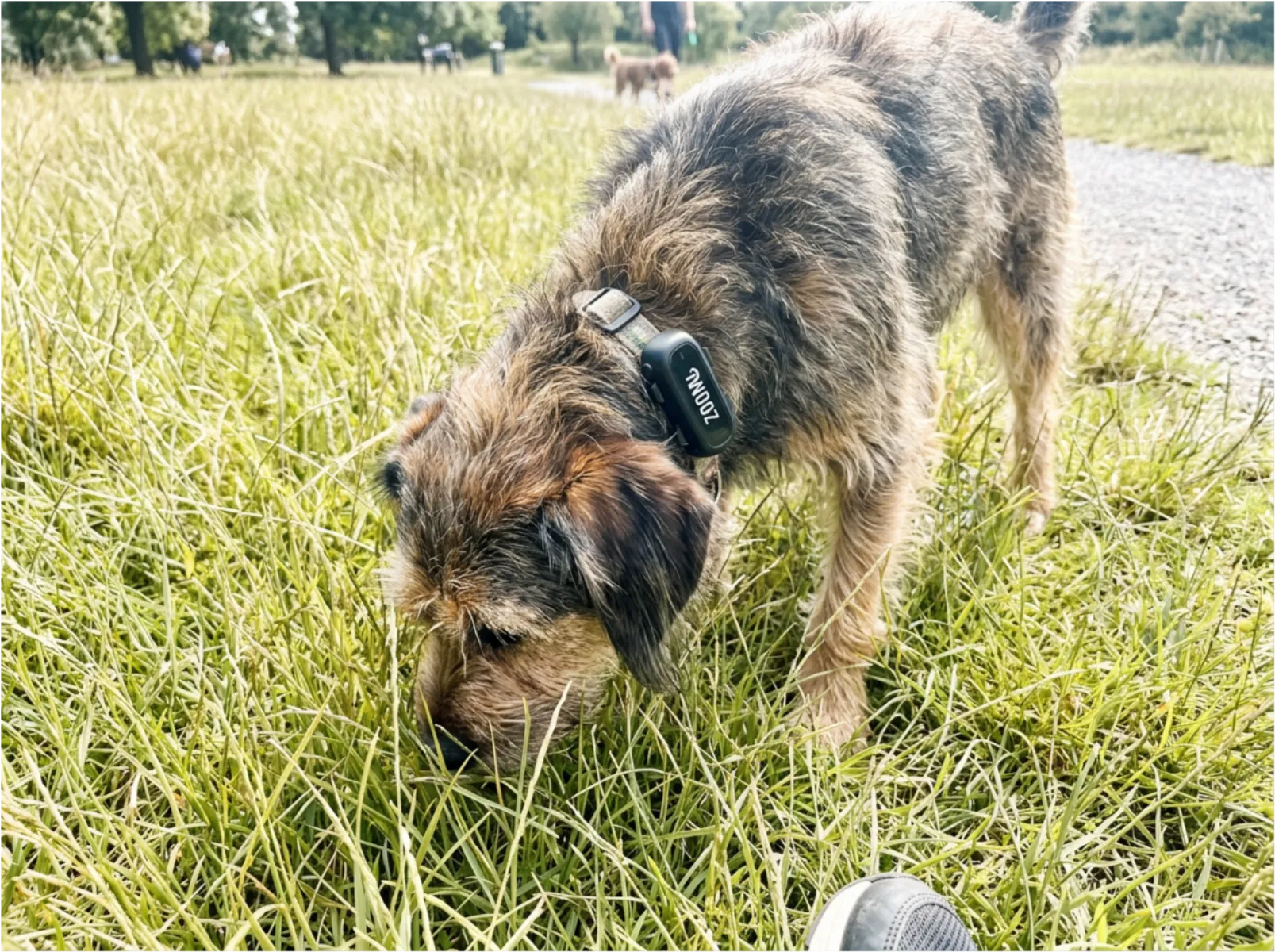
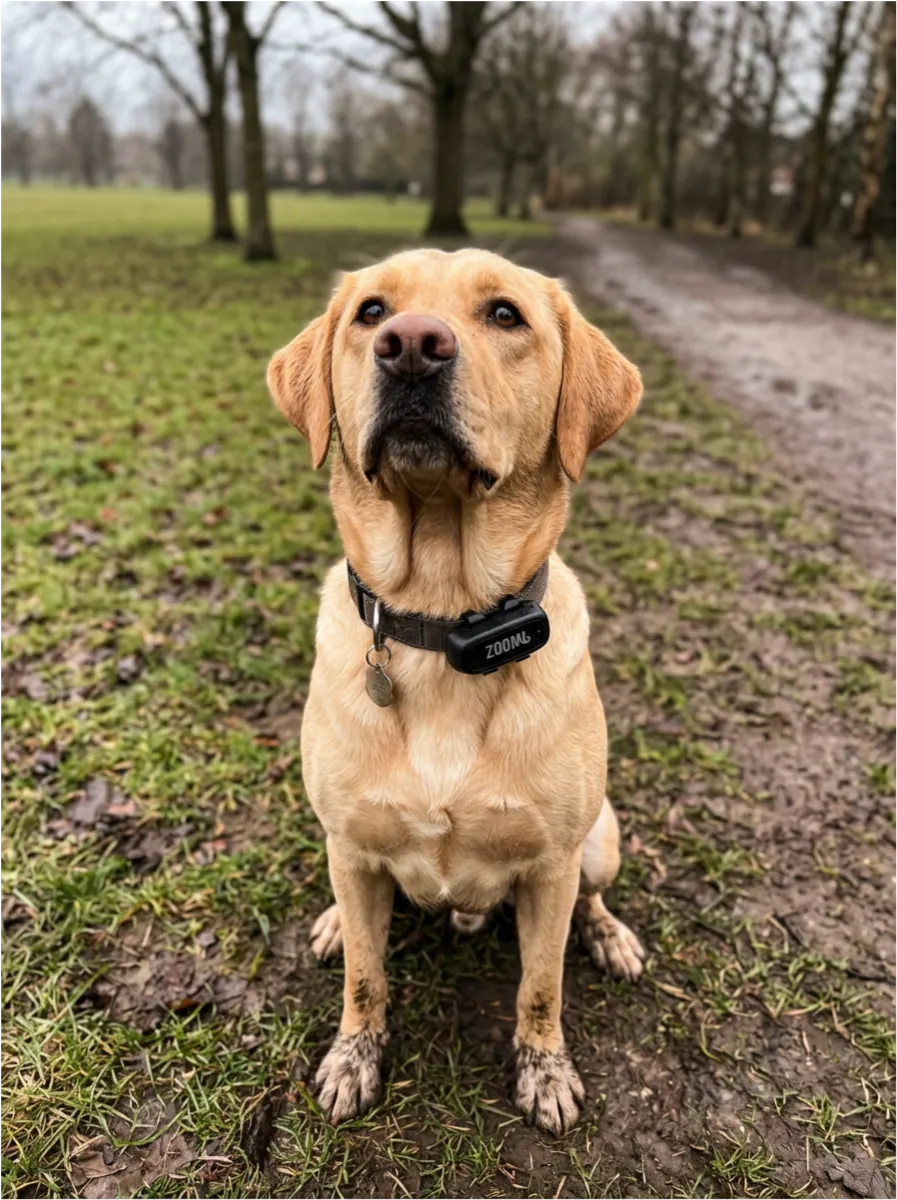
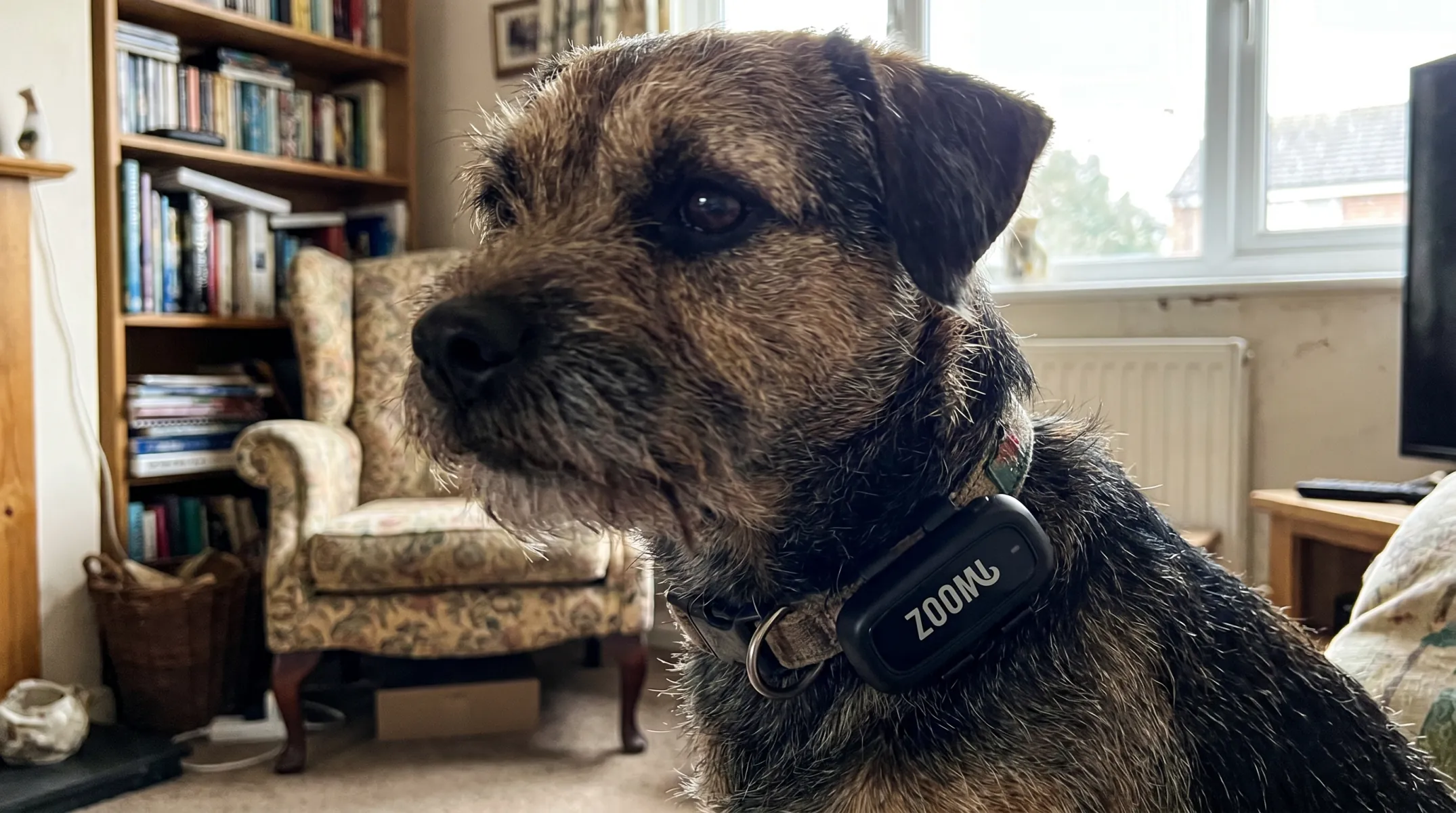
- Know your dog's location, not just their absence. This is where a GPS tracker earns its keep in one evening: instead of discovering an empty garden and guessing, you watch the dot, walk to it, and bring them home before they've crossed a road. ZoomiTag Health owners can see live location the moment they realise the dog is gone — and the tag's scannable profile covers the case where a neighbour finds them first.
Most escapes aren't mysterious — they're a frightened animal plus one open gate, and storm nights stack the odds. The owners who get their dogs back fastest are the ones who prepared for the escape they hoped would never happen: current tag details, current microchip record, and a way to see where the dog actually is. Our lost-pet recovery guide covers the full first-hour playbook if the worst happens.
One Last Thing: The First Cool Walks
When the storms have passed and temperatures drop back into the low twenties, resist the urge to "make up" a week of missed walks in one heroic outing. A dog that's been resting through a heatwave has lost a little condition, and pads softened by hot pavements and paddling pools mark more easily. Build back over a few days, check paws after the first longer walks, and keep an eye on how quickly your dog recovers afterwards — a dog that seems flat days after the heat has broken is worth a closer look, since heat stress can lag. If you track their activity and sleep, this is the week the data is most interesting: you'll see the heatwave dip, the storm-night disruption, and — all being well — the bounce back to baseline that says your dog came through it fine.
When a Frightened Dog Runs, Know Where They Went
ZoomiTag Health gives you live GPS tracking the moment you need it, and a scannable profile with your contact details for whoever finds them first — turning a storm-night escape from a crisis into a short walk.
About Lost Pet RecoveryFrequently Asked Questions
Thunder combines sudden unpredictable noise (heard far more intensely through canine hearing), static charge building in the coat — which some dogs appear to feel physically — and barometric pressure changes dogs detect before the storm arrives. Noise sensitivity also has a genetic component, and it typically worsens with age and repetition if not addressed. It's a real fear response, not drama.
Yes. The idea that comforting "reinforces" fear has been rejected by modern behavioural science — fear is an emotion, not a behaviour you can accidentally train. Calm, low-key comfort helps: sit with them, stroke slowly, keep your voice steady. Avoid anxious fussing that signals you're worried too, and never punish fearful behaviour.
For a meaningful proportion of dogs, yes — constant gentle pressure across the torso has a calming effect, and owner-reported studies show improvement in the majority of dogs, though results vary from dramatic to negligible. They're cheap and low-risk: put one on before the storm arrives and pair it with a den, background sound, and your calm presence.
For severe phobia, yes — via your vet, who can prescribe modern fast-acting anti-anxiety medication that's effective and humane. Pheromone diffusers and calming supplements help some milder cases. Never give human sedatives or medications without explicit veterinary direction, and avoid old-style sedation that immobilises the body while leaving the fear intact.
Prepare before the storm: doors, windows, catflaps, and gates secured; toilet breaks on a lead; no off-lead walks while storms are forecast; and an indoor den so hiding doesn't become fleeing. Then cover the escape you hope never happens — current tag and microchip details, and ideally GPS tracking so you can see exactly where a bolted dog went instead of guessing.
Yes — often long before you can, via falling barometric pressure, distant thunder beyond human hearing, and static building in their coat. That's why anxiety often starts under clear skies. Treat early pacing or panting as your warning to close up the house and set up the den ahead of the panic.